When is the best time to sail in Croatia?

For a first charter, compare June and September. June gives you more daylight than September. For September, see how much sailing time you have between pickup and handover. If you are travelling during school holidays, start by checking which boats and berths are available on the dates your crew can travel.
Late spring · May and June
Longer days leave more time to check in and buy provisions before the first leg. A late pickup can still mean staying at the base on the first night. If that is how your charter works, build it into the itinerary. In May and early June, check the opening dates for each seasonal marina or landing you plan to use. Ask about water and power on your arrival date, especially for an island stop.

Summer peak · July and August
If your dates are fixed, confirm that everyone can make the same pickup and handover times. Pick the two or three stops that matter most, then check berths against your boat’s length, beam and draught. Keep options open for other nights. Compare quotes for the same length of charter and include confirmed extras such as cleaning, skipper fees and berths. The headline boat rate can conceal a difference in the total cost.
Early autumn · September and October
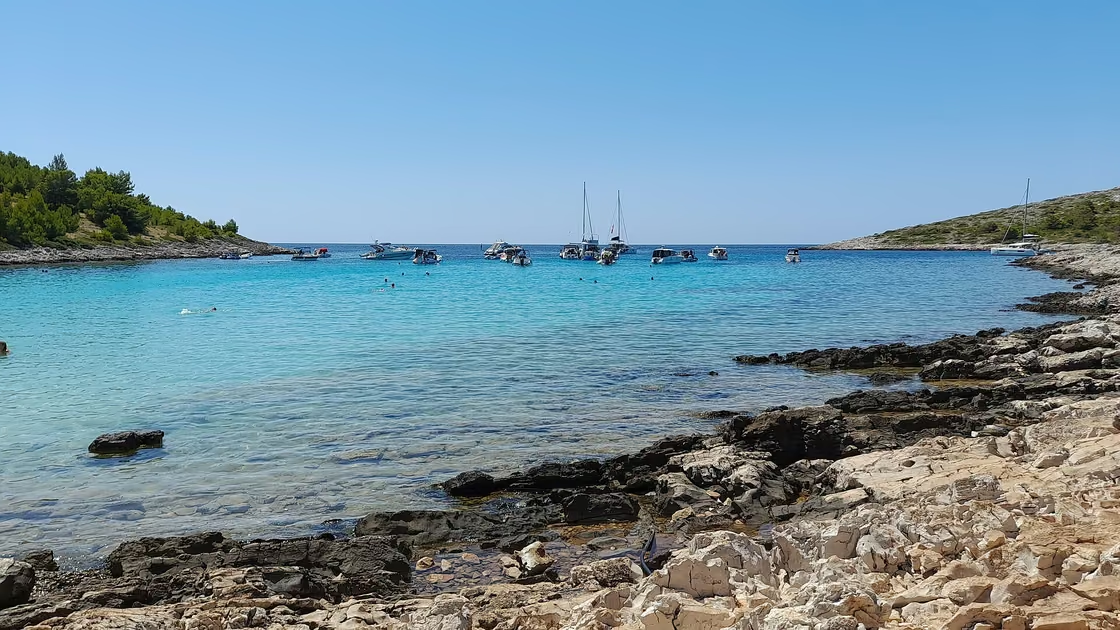
As October approaches, there is less daylight. Plan shorter legs and leave time for the final return. ACI currently lists Piškera’s season as 1 April to 31 October. Check dates directly with the operator, along with water and power availability. For a route with several small stops, confirm which ones can receive you on your dates before committing to the route.
Marine forecasts and return time
Before each leg, the skipper checks the DHMZ marine forecast and warnings, current nautical charts and notices to mariners. For a weekly charter, plan the last night at your contract’s return base when the handover time requires it. Leave a day you can use to wait or return early. If you end up with that day free, spend it ashore.
Frequently asked questions
Is September good for a first charter?
Compare it with June. Check pickup times, berth availability and how much daylight your chosen route needs.
Can I rely on one forecast for the whole week?
Review the forecast before each leg. If conditions change, adjust your itinerary and drop the farthest stop if necessary.
Official information
- DHMZ · Pomorska prognoza / Marine forecast
- Official charts · HHI
- ACI · Marina Piškera
- Marine forecast · DHMZ
Reviewed
Related guides
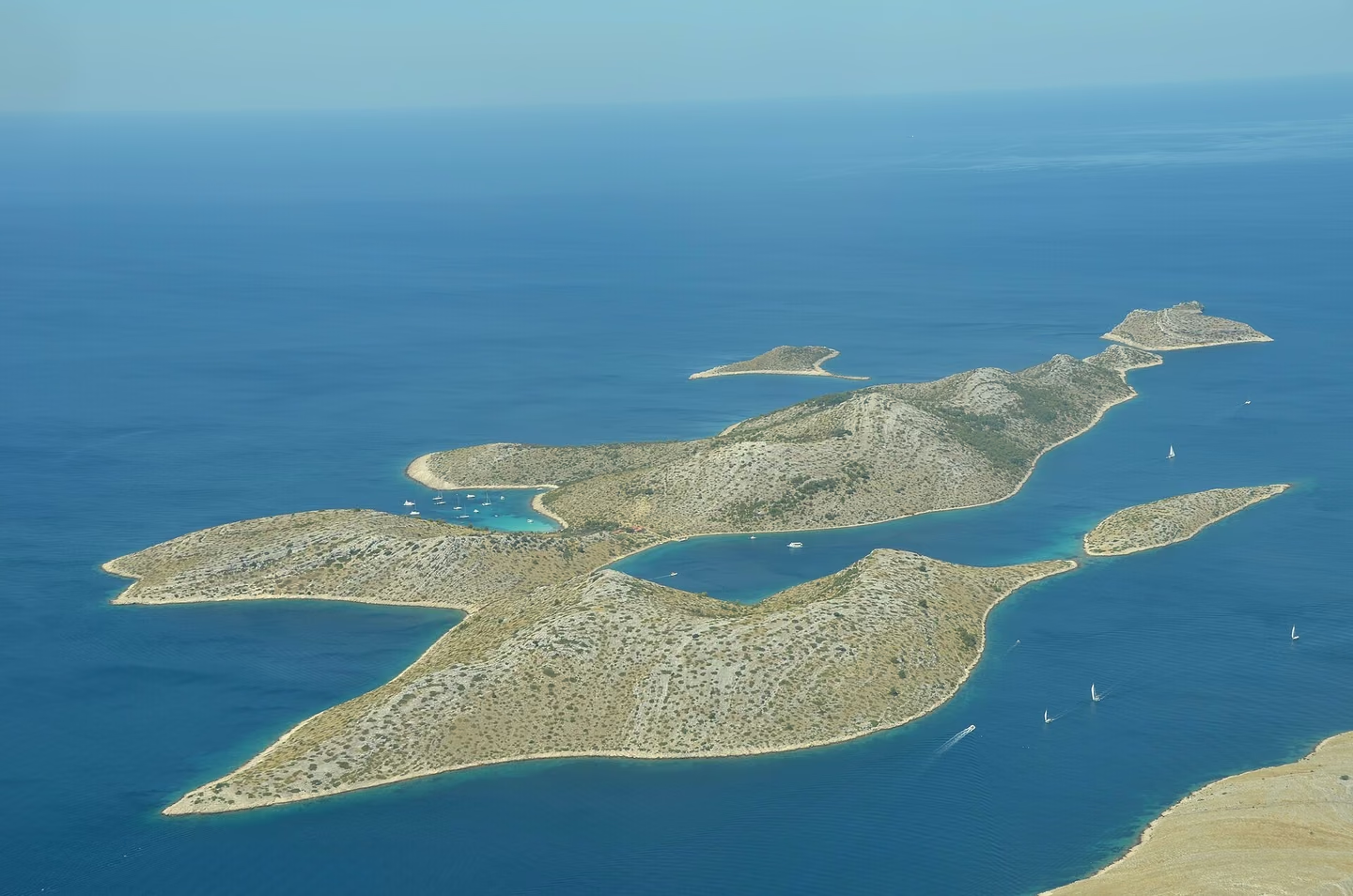
- Photo Fallaner · CC BY-SA 4.0 · resized
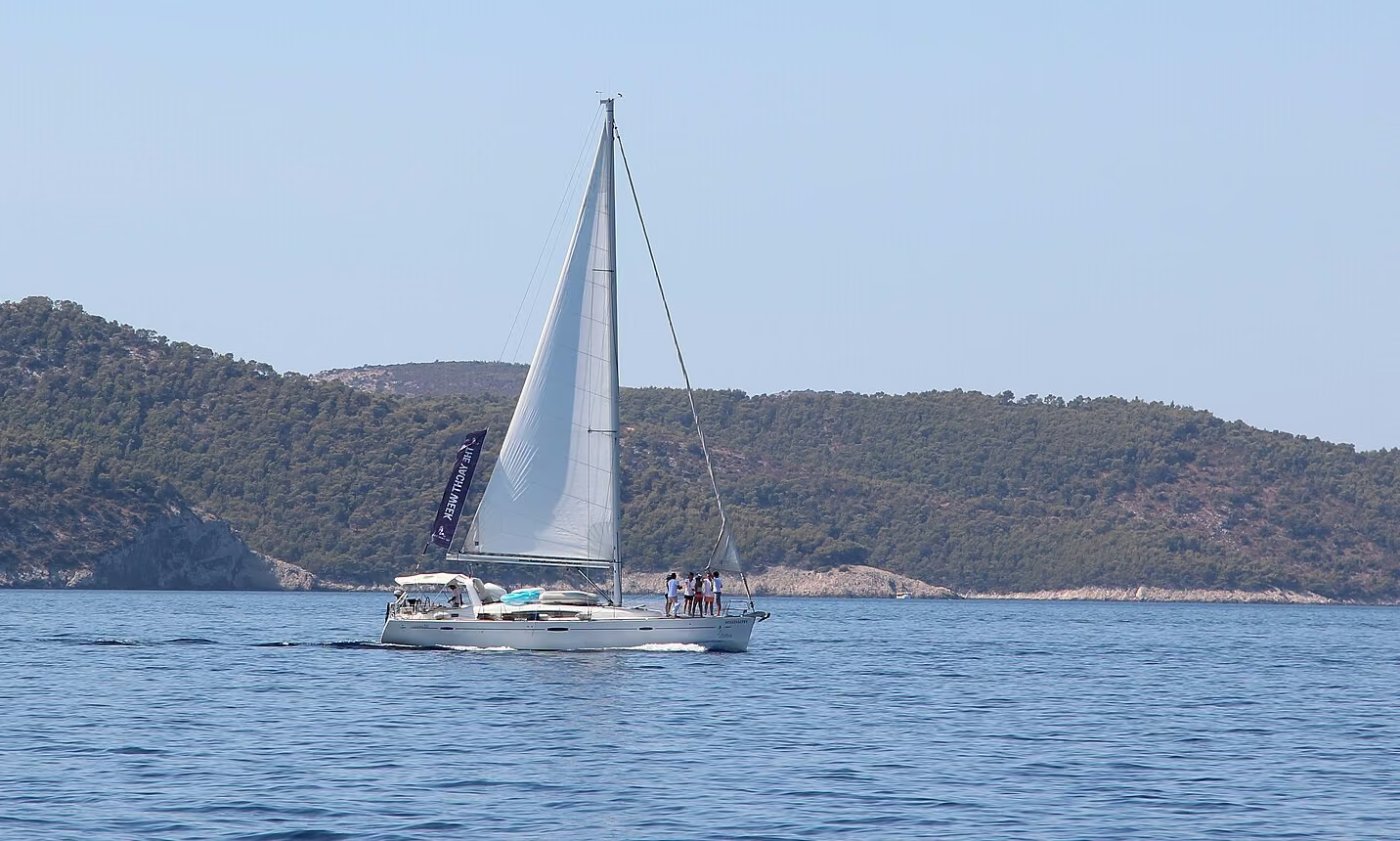
- Photo Sharon Hahn Darlin · CC BY 4.0 · resized
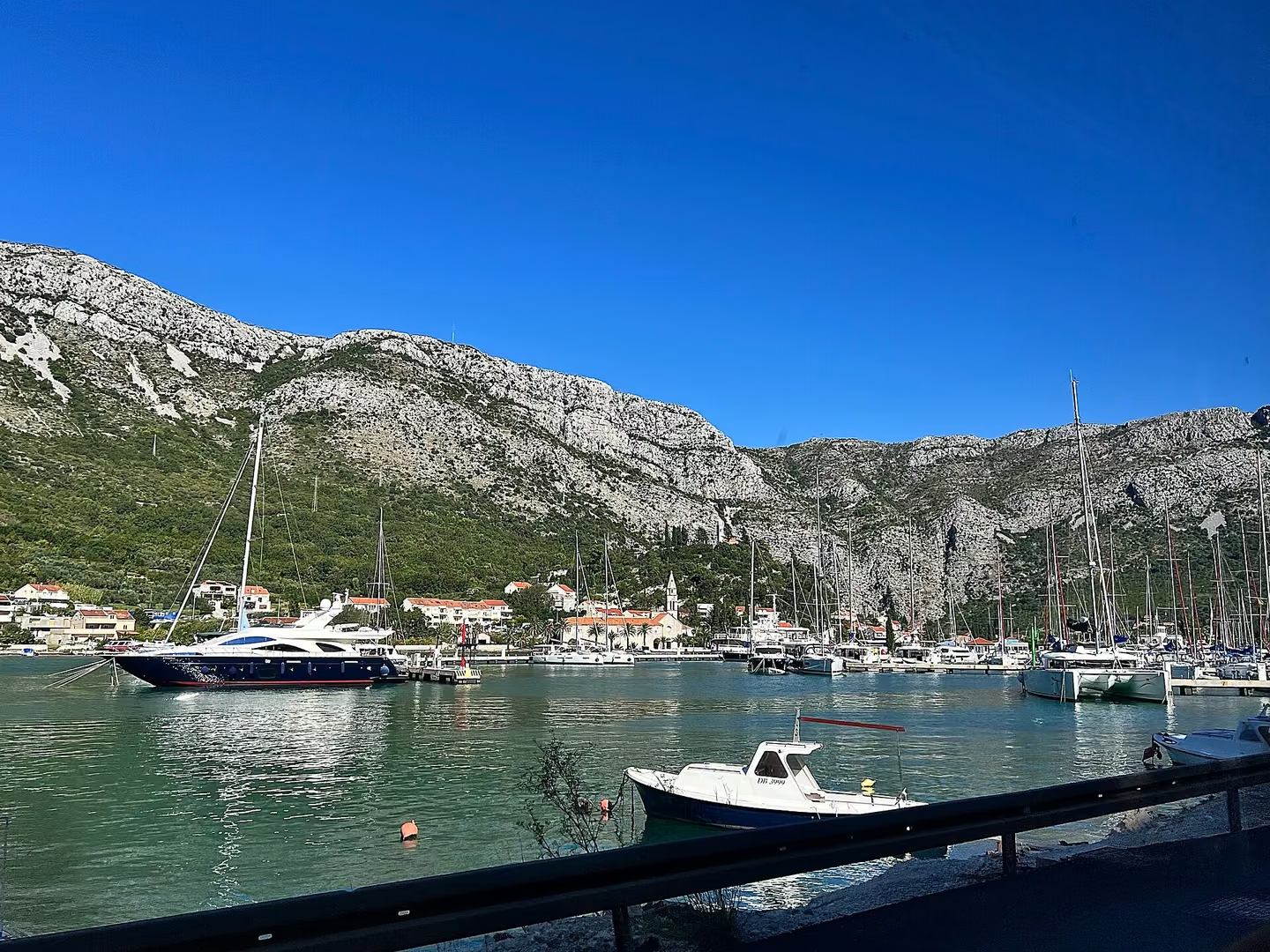
- Photo Ekki3 · CC BY-SA 4.0 · resized