Split to Dubrovnik by Bus, Catamaran or Car
Compare the overland coach, seasonal boat and drive via Pelješac Bridge. Find the right ports, overnight options and transfers to the Old Town.
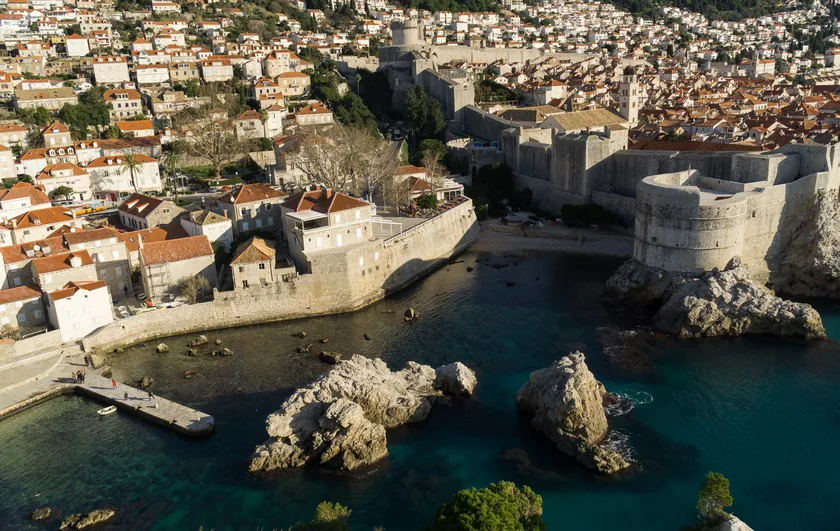

Take a direct coach if you are travelling without a car and want an overland timetable. Check a fast passenger boat when it serves your exact date and a coastal crossing is part of the trip. Drive via the Pelješac Bridge when you want stops or need a vehicle at your destination. All three choices get you to Dubrovnik, but the hour you reach your room depends on the final transfer.
The quickest decision is where you need to be at each end
Write down your departure address, where you will sleep and whether you must leave on a booked tour or flight. First compare complete journeys including walks and transport between terminals. A late berth arrival in Dubrovnik can be a poor match for a room with a strict check-in cutoff. If you leave from Split Airport, allow for the road journey to Split’s city terminals. If you are already staying by Split’s Riva, the harbour and coach station are much easier to reach.
Coach from Split to Gruž
Search for a direct coach at Split’s coach station and open the operator’s listing. Verify the pickup point, admission time and luggage policy. Some services have longer journeys or additional stops, so compare the details rather than the first departure on the screen. Split’s main coach station is at Obala kneza Domagoja beside the ferry port. In Dubrovnik, the main coach station is in Gruž. The Old Town is a separate onward trip. Check Libertas city services to the stop closest to your room, or settle a taxi drop-off with your host if you have heavy bags.
As a planning example, FlixBus lists a minimum scheduled trip of 3 hours 45 minutes, while one Krilo itinerary via several islands lists 4 hours 30 minutes from Split. These are operator examples rather than fixed journey times. Compare the concrete results on your date, then add your journey to each terminal and onward travel from Gruž.
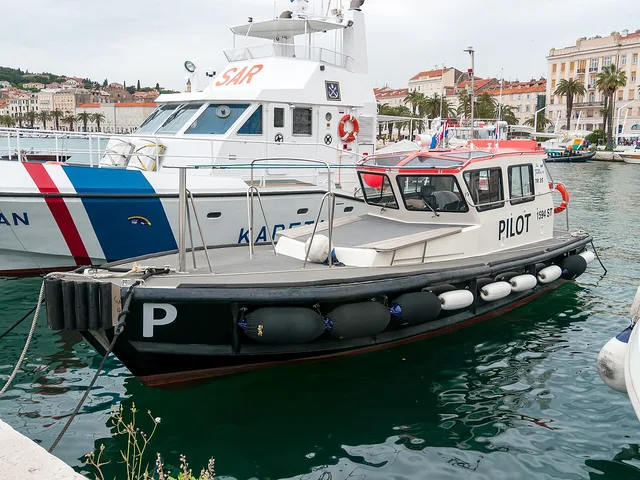

Passenger catamaran when it sails on your date
Check Krilo and TP Line by date and direction. Seasonal departures need separate searches for both journeys, even if a timetable appears in a travel article. Open the stop list: a direct ticket can still include stops at islands before Dubrovnik. Sailings are for foot passengers. Check what is allowed for bike, pet and oversized bags, and read the company’s weather and cancellation notices before leaving. In Dubrovnik, find the exact arrival point in Gruž on the ticket; it is separate from the historic harbour beneath the walls.
Driving the A1 and Pelješac Bridge
Follow the A1 where it suits your starting point and the road route via Pelješac Bridge toward Dubrovnik. This route stays in Croatia. Check HAK’s road conditions for traffic, work and wind restrictions, and use HAC’s current toll table for your vehicle class and entry and exit. If you are making a long stop on the Makarska Riviera or around Ston, put it on the itinerary before choosing the time you promise to arrive. Parking near the walls can change the last leg: ask for precise access and unloading instructions and decide where the car will stay before entering central Dubrovnik.
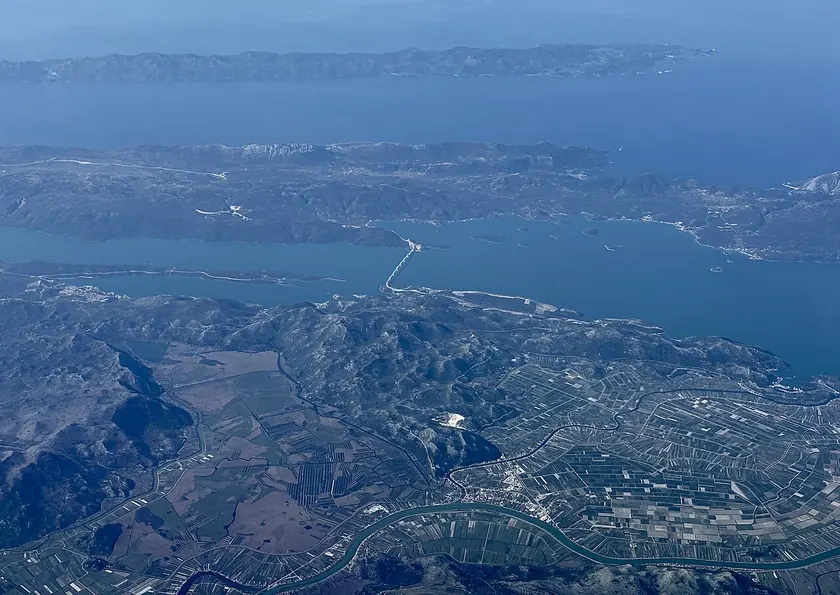

Two useful backup plans
If the boat is cancelled, reopen the coach search and verify seats before moving to the station. Make sure your chosen arrival still works with onward buses or key collection. If you have a flight from Dubrovnik early the next morning, consider sleeping near your airport transfer the previous night. Separate tickets do not protect onward connections when a coach, catamaran or drive is delayed. Have the carrier’s notice and check-in instructions saved on your phone before setting out.
A practical alternative is to divide the visit between cities. If a late coach arrival makes the Old Town check-in impossible, spend the first night near Gruž and visit the centre the following morning. If you already paid for the room, ask whether the host offers a secure later arrival. Recheck the last useful city-bus departure before relying on it.
Turn a one-way ticket into a workable plan
A couple staying three nights in the old towns can usually start with the coach and compare it with a catamaran whose stops make an enjoyable day on the water. A family with a full car and flexible plans may prefer the bridge route, but needs to solve parking at both ends rather than relying on spaces by the walls. A solo traveller with a heavy bag should compare the two arrival points in Gruž against the same map pin for the accommodation. Take a screenshot of the intended city-bus stop and a meeting point a driver can reach, not just the hotel name.
Check when your ticket needs extra attention
Ask about boarding assistance on the exact service if you cannot use steep steps, and confirm whether the operator needs advance notice. For a coach that follows a different road itinerary, read its stops in full. If it passes through Bosnia and Herzegovina, verify border and identity-document requirements for your own nationality with the relevant authorities before booking. The route through the Pelješac Bridge does not require that detour. Travelling by rental car? Keep vehicle class, toll route and any rental restrictions in the same set of notes.
Keep reading
- Dubrovnik to Korčula by Ferry or Road
- Mali Ston oysters: how to plan a tasting on Pelješac
- Zagreb to Split by Bus, Train, Car or Plane