Where to Go Scuba Diving in Croatia: Šolta, Rovinj and the Kornati
Choose a Croatian dive base for your experience, compare shore and boat trips, and check permits for the Baron Gautsch wreck and Kornati.
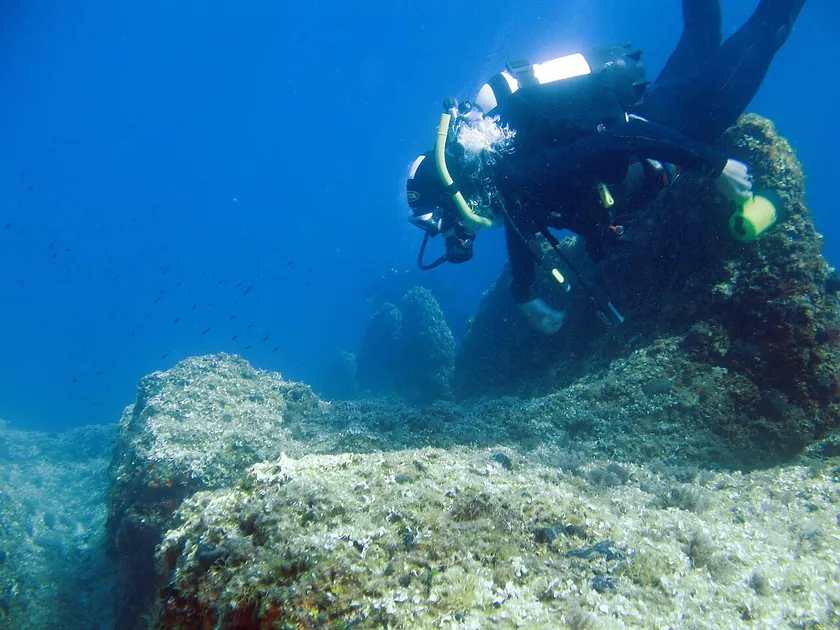

Choose your Croatian dive base around the people in your group. If you are new to scuba or returning after a break, look for an introductory or refresher session with a registered centre rather than one particular site. If you have recent experience at depth and want wreck history, Rovinj is a useful base. For island scenery and organised boat dives, ask a Kornati operator about specific sites and permissions before committing to a date.
Šolta and the Split area for an introductory or refresher dive
Start with the practical details: will you leave from the mainland or meet on Šolta, does the trip return you to the same point, and can non-divers wait somewhere comfortable? A shore entry can keep the day simpler for a family, provided the centre considers the conditions and access suitable. The actual session might start with shallow-water skills before a short guided dive. Ask whether the activity is a supervised introduction or part of a full certification course, and how the centre adapts it to participants who need more time. For a returning diver, be honest about your last dive and experience with currents, cold water and boats. A first easy session gives the guide a better basis for matching you to a later site.
Rovinj for wrecks, beginning with the restrictions
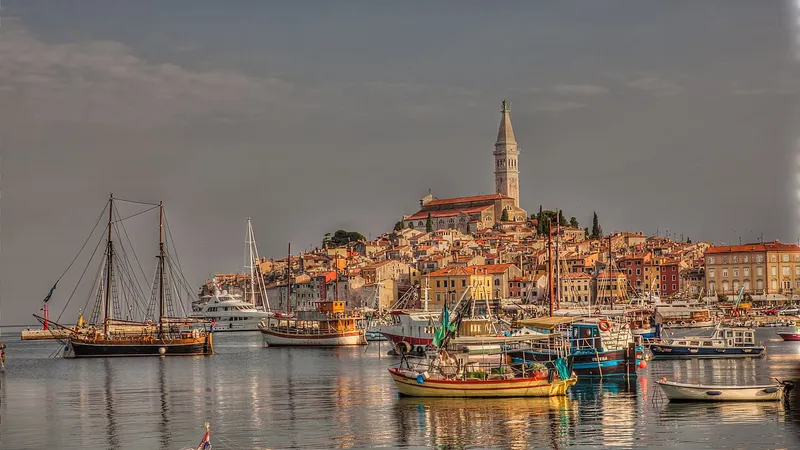
Off Rovinj, the Baron Gautsch is a passenger-steamer wreck. Istria’s tourist board lists its depth at about 28–39 metres. That is enough to rule it out for many recreational beginners. You should also establish whether the company is authorised for that protected site, what it expects from divers and how it responds if current, visibility or swell are unsuitable. Exploring the exterior is a different plan from entering an enclosed part of a wreck. Neither an appointment nor a previous dive obliges you to proceed if the actual conditions are outside your training and recent experience.
Keep a choice in reserve. While one diver joins a permitted wreck outing, another can arrange a shallower session through the same centre or visit town. Use the centre’s decision on the day rather than treating a trip’s advertised site as a promise. Underwater archaeological finds are protected. Leave anything you see in place and report a potential find through the appropriate conservator.

Kornati: book an organised dive with park permission
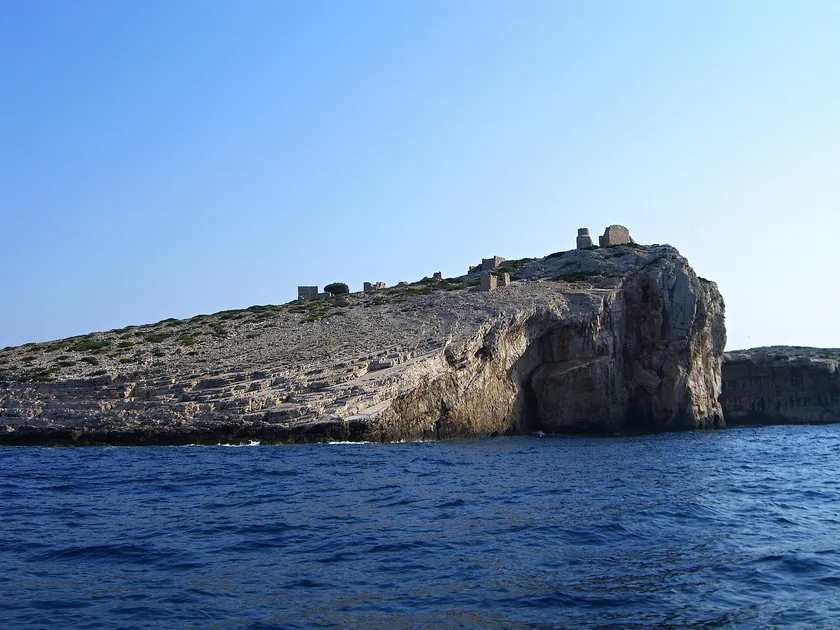
Autonomous scuba diving in Kornati National Park is restricted to authorised organised groups with park approval. A generic boat excursion does not establish access to a dive. Ask which approved site the operator is proposing, where you meet and what its alternative looks like. A change in wind might bring a different approved site into the plan. If part of your group wants to snorkel, check with the park and the crew where they may enter, how the snorkellers and divers will be supervised and how you reunite after the stop.

Permissions and questions to ask before paying
Croatia distinguishes organised and individual scuba. Organised diving takes place through a registered centre or other qualifying registered provider, while independent diving requires authorisation from a harbourmaster’s office. Areas with protected cultural heritage and parks may have additional restrictions. Ask who holds the required permissions for the exact site. Give the centre everyone’s qualification, recent dive history and any health information the required screening asks for. Confirm whether the quoted trip includes equipment, boat transfers and guiding, and which cancellation options apply if the boat cannot run.
Fit the dive around flights and weather
Keep room for a plan on shore rather than fitting a dive between a tight ferry connection and an early flight. Divers Alert Network recommends at least 12 hours before flying after one no-decompression dive, and at least 18 after multiple dives in a day or multiple days of diving. Profiles requiring decompression stops call for significantly more time. Tell the operator your flight time and follow the more conservative applicable advice for your profile. In a sea emergency use 195 or 112.
How to compare two offers that both say “two dives”
Ask who will lead your group, how divers are matched, which equipment sizes are available and when the proposed itinerary is confirmed. Work back from the meeting point as well as the headline location. An island meet-up that requires a particular ferry is a different choice from a mainland centre that provides its own boat. Before paying, check the centre and insurer’s terms for diving and evacuation. A package with fewer slots may suit your group better if there is time to fit the kit, ask questions and take a break between dives.
Keep reading
- Checking a Croatian beach before a swim
- Are There Sharks in Croatia? What Adriatic Swimmers Should Know
- Jellyfish in Croatia: How to Check a Beach and What to Do After a Sting
Sources and planning links
- Croatian government · Organised and individual diving
- Croatian government · Underwater cultural heritage
- Istria Tourist Board · Baron Gautsch wreck
- Istria Tourist Board · Wreck depths
- Kornati National Park · Rules for visitors
- Divers Alert Network · Flying after diving
- Croatian government · Maritime search and rescue