How to avoid crowds in Croatia in August
Choose an August base that leaves room to change plans. Compare two coastal approaches, ferry-dependent islands and an inland break around Osijek.
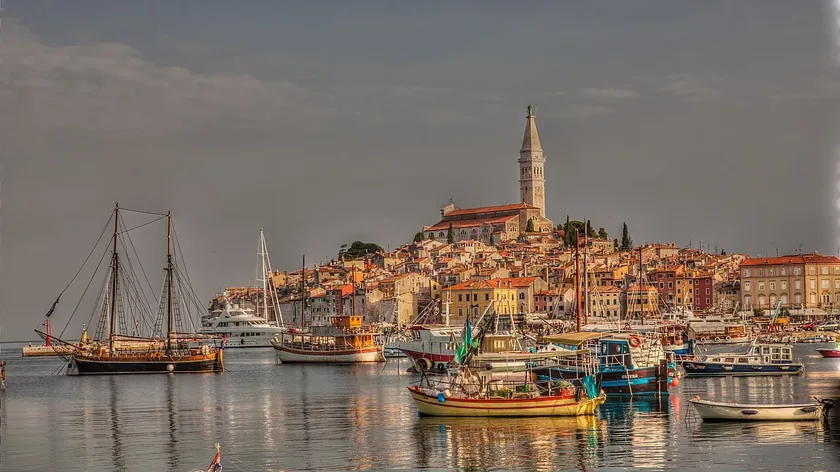

In August the easiest way to reduce time in crowds is to build a day you can change without another drive, a ferry queue or a new booking. Pick a place to stay based on how you can reach several useful stops, rather than a promise that a town or island is quiet. If swimming is your priority, look for more than one practical way to reach the sea. If you care more about walking, food and small towns, keeping part of the trip inland can give everyone a different pace.
North Istria and the Kvarner coast: base first, drive second
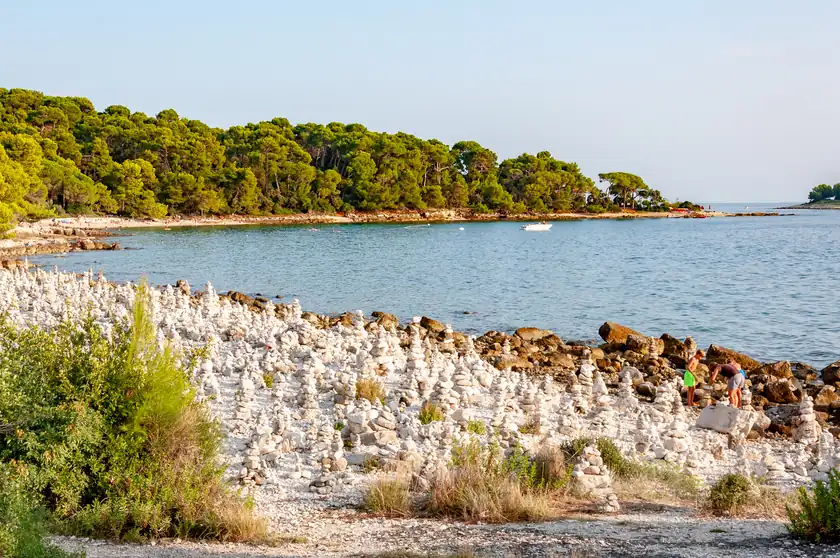
Rovinj is well known, so do not choose it expecting an empty centre. Choose it if you can walk between your room, the town and the coastal paths around Lone and Zlatni rt. You can spend longer by the sea or turn back towards town as conditions change. In Opatija, the promenade can play the same role if you want time on the waterfront and an afternoon in town. Check that the walk from your room suits your group, including gradients and steps. A property that looks close to the coast on a map may require a busy road crossing or a long climb.

Dalmatian cities: a morning at the beach, a midday break
If you are staying in Split, start on foot along the shore near Bačvice, Ovčice and Firule. At the first easy access, decide whether the amount of space and conditions suit you. You can have lunch or rest back at your accommodation without tying the afternoon to a reserved crossing. A swim and an Old Town walk do not have to happen an hour apart; use the part of the day that works for each and leave a gap when you need it. This approach is useful if a member of the group can handle only a short outing in heat.
Island choice: it is easier when the ferry trip is the only transfer
Pick the island for a stay of several nights if you also want time there when a day boat is gone. If you take a day trip with a car, check which terminal actually carries vehicles, how the ticket works for that route and what happens if you miss the sailing. Look up the berth or stop for the next part of the trip. Then ask what you will do if beds, buses, or the return sailing do not line up. A foot-passenger route and an overnight close to town can simplify an island visit; a local drive can still make sense if you are heading farther away from the port.
An inland interval: Osijek and Kopački rit
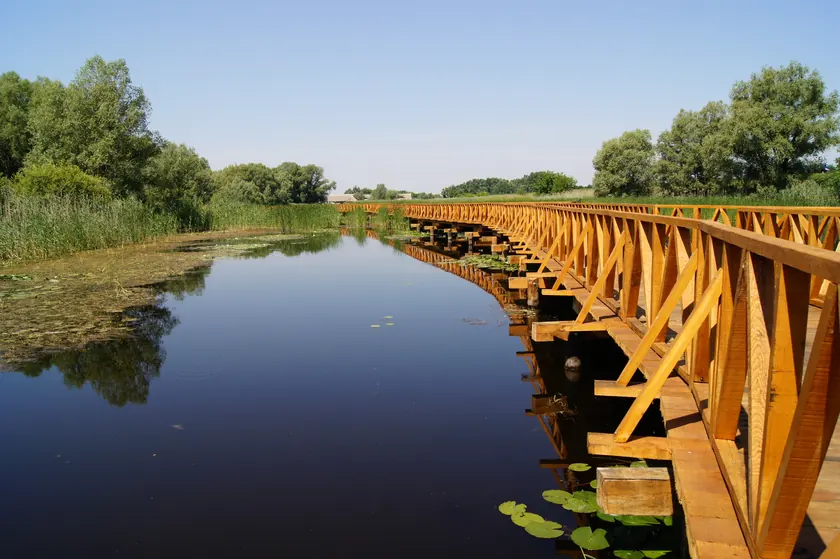
Osijek gives you an inland base where part of the day can be spent on a Drava riverside walk and part around the city centre. Kopački rit nature park adds a different landscape. Its White Water-Lily Boardwalk starts from the park’s reception area; ask the park about access beforehand and bring water and mosquito protection. An inland stop can be hot too. Choose the time of the longer walk according to the forecast, keep a shorter route available and leave lunch or an indoor stop as a realistic substitute. Plan the inland section because there is something you want to do there, especially if reaching it requires a substantial detour.

Book only the stop that needs a time
Some bookings make a day easier; enough fixed appointments make it fragile. If including Plitvice, the park asks visitors to use the entrance and time slot selected for their ticket. Put that slot first and allow time for parking or your bus. Leave the next visit open rather than reserving lunch several towns away. On a ferry day, the crossing is usually the fixed item. Confirm operator changes on the morning of travel and put the supermarket, the swim or a museum around it.
Use a simple test before you reserve the room
Put three pins on your map: one useful coast or walk, one practical place for a meal, and a backup you can reach on foot. Check the slopes, shade or main road crossings instead of trusting the straight-line distance. Then ask whether you can still have a good day if the first stop is too busy or the ferry changes. If the answer depends on a second car trip at the busiest time of day, look for a room closer to the things you will actually use.
Change base when the change improves three days
After a morning transfer, allow time to put your luggage down before deciding what to do. If you have one afternoon on the coast, you do not need a second stop beyond the first beach or centre you can walk to. If you have three nights, consider whether an inland stay or another coast offers a genuine change of scene. Pick two bases for the different days they give you; reserve moving day for the move and one nearby activity.
Keep reading
- Plan a visit to the busiest beaches
- How to assess swimming conditions
- Novigrad or Umag? Choose a Base in Northwestern Istria